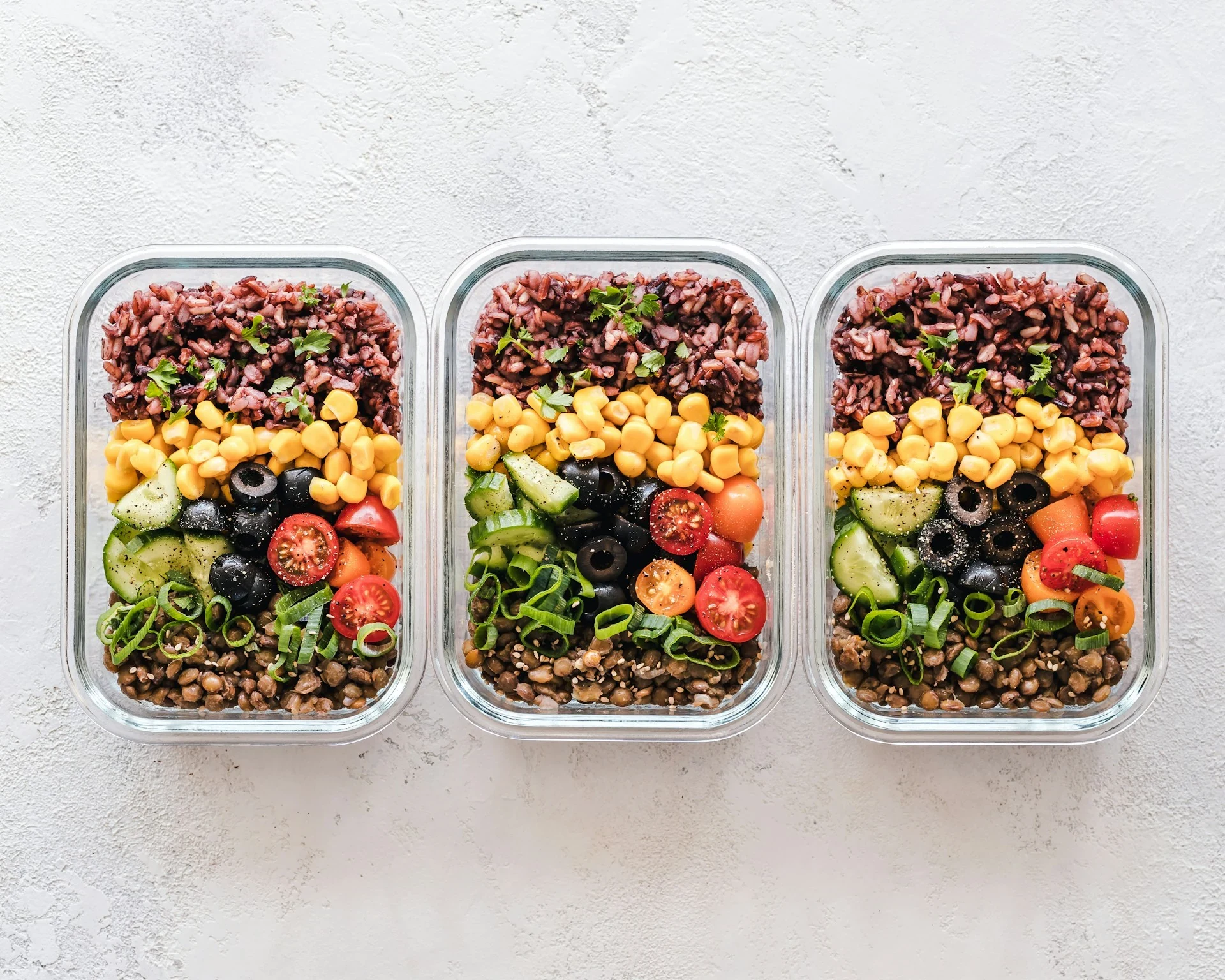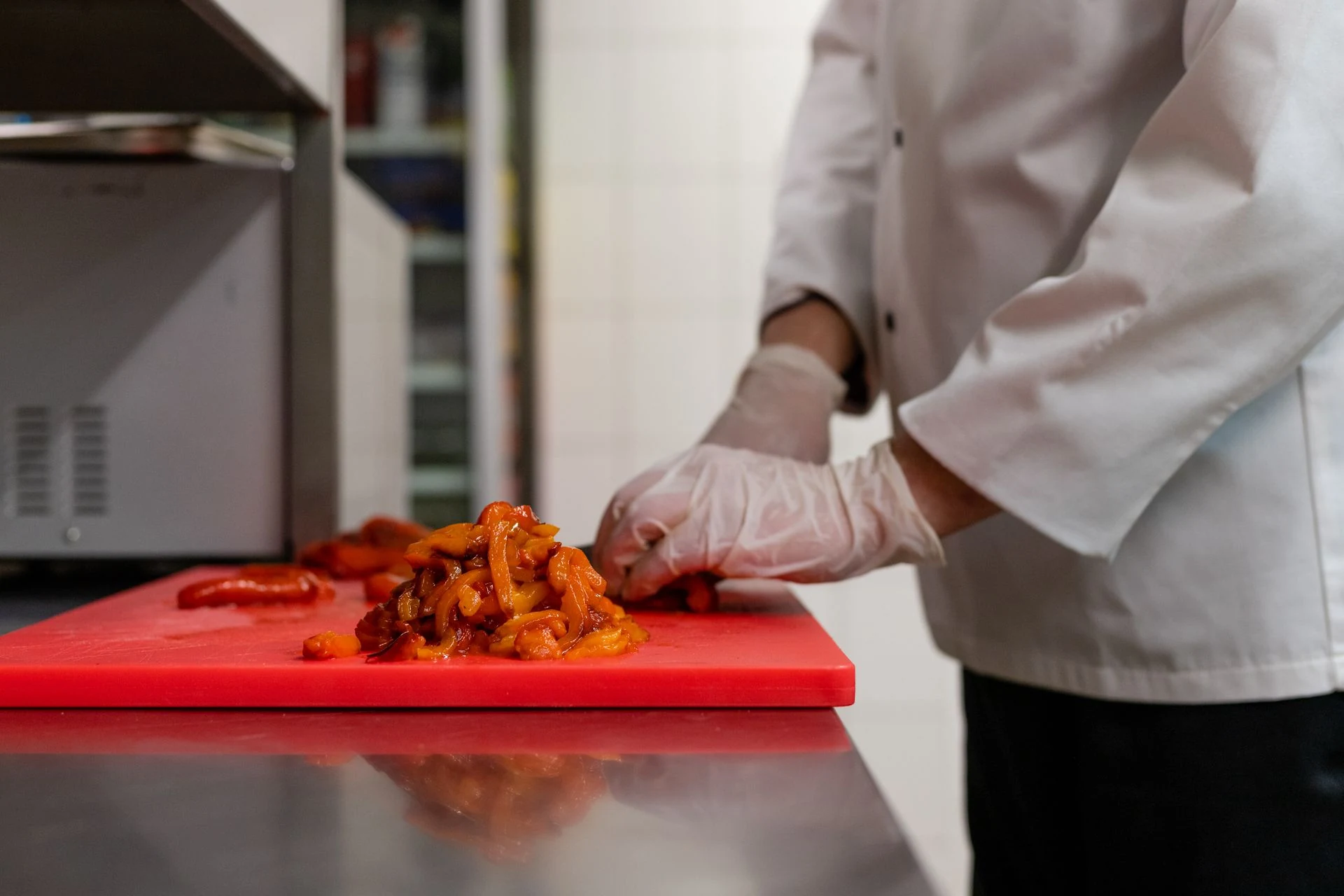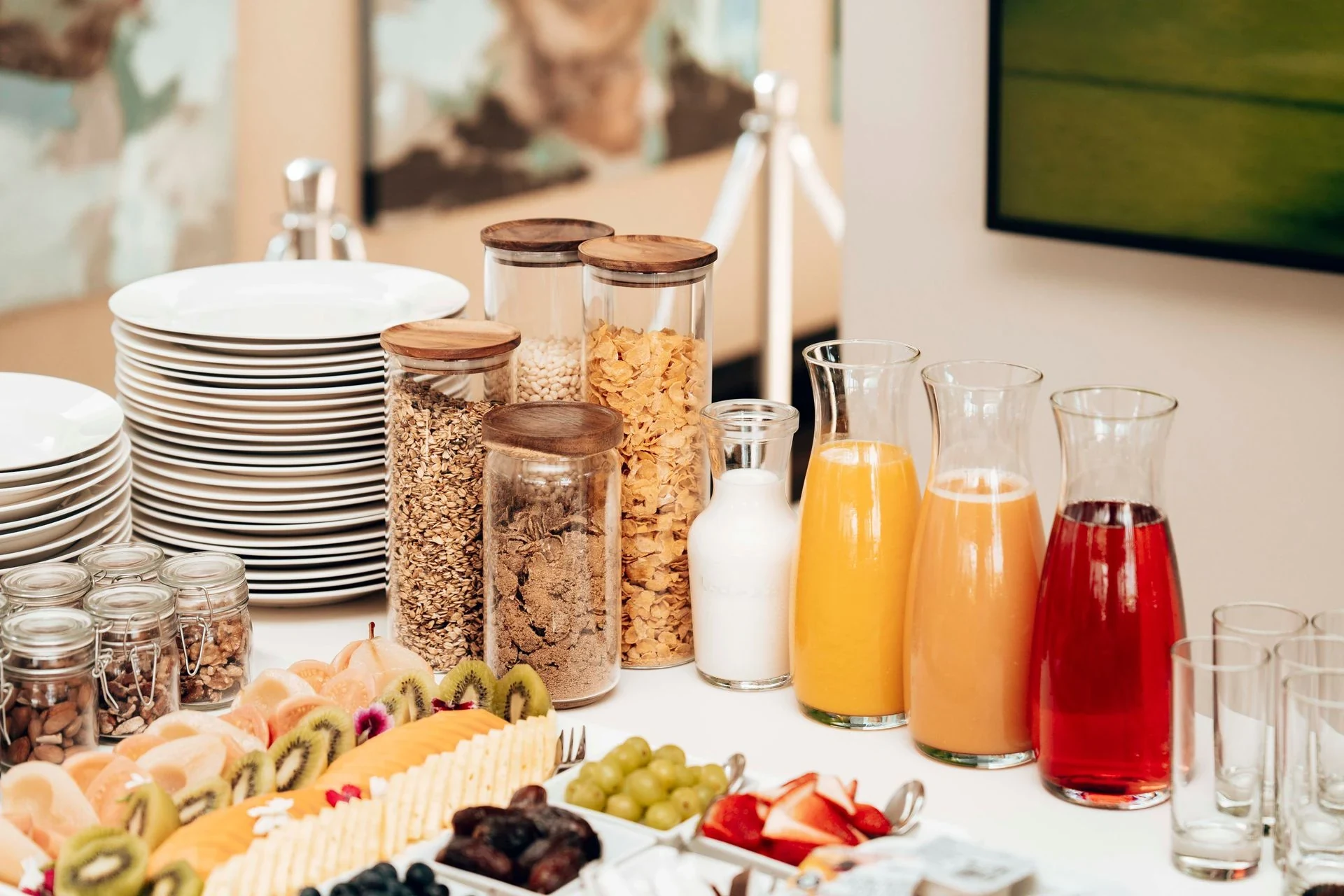
A fueling station should make food easier to access. Its value depends on what is available when athletes need it and whether someone owns the day-to-day operation.
Write the service promise first.
Name the users, location, hours and expected traffic. Decide whether food is freely accessible, handed out by staff or collected through another approved arrangement. Include the people training early, returning late or using the facility on weekends. Confirm who opens the area and what happens when that person is absent.
Give nutrition and operations different jobs.
Qualified nutrition staff can help select appropriate options for the athletes and training context. Foodservice staff should confirm sourcing, storage, handling and replenishment. The schedule owner provides actual access windows. The ASPDA resource library can support education, while FDA’s Food Code provides model foodservice context; local requirements and the operation’s approved procedures still apply. ASPDA · Sports dietitian resources ↗ FDA · Food Code ↗
Swipe the table to see every column →
| Workstream | Confirm before opening |
|---|---|
| Food selection | Approved products, quantities and alternatives |
| Storage | Equipment, capacity, monitoring and product instructions |
| Access | Hours, eligibility, supervision and accessibility |
| Replenishment | Par levels, stock location and named restocking owner |
| Information | Ingredient labels, approved substitutions and contact for questions |
| Closeout | Cleaning, remaining stock, waste record and next opening |
Keep the first menu manageable.
Start with an assortment the operation can consistently support. Separate shelf-stable products from those that require refrigeration. Include the equipment, utensils and waste handling that the selected foods need. More product variety creates more labels, stock lines and replenishment decisions; expand when the operation can maintain them.
Make the stock count tell a story.
Record opening stock, additions, closing stock and items discarded or removed. These observations estimate station movement, not individual consumption. Compare them with access hours and team schedules. A product untouched during a closed or inconvenient window does not prove athletes dislike it.
Opening 30 + restocked 12 − closing 8 − recorded removals 2 = 32 items moved through service. Investigate unexplained differences before treating the number as a consumption measure.
Keep product information attached.
Retain the current ingredient and allergen information, including after a supplier substitution. FDA’s allergen resources explain why labels and cross-contact matter. An alternate product needs review through the program’s procedure; a similar package color is not a check. FDA · Food allergies ↗
Review access with the users.
Ask three questions: was the station open, was the expected food available, and was there enough time to use it? Give staff a route to report equipment or replenishment problems. Review the results with the schedule and nutrition contacts before changing the assortment or hours.