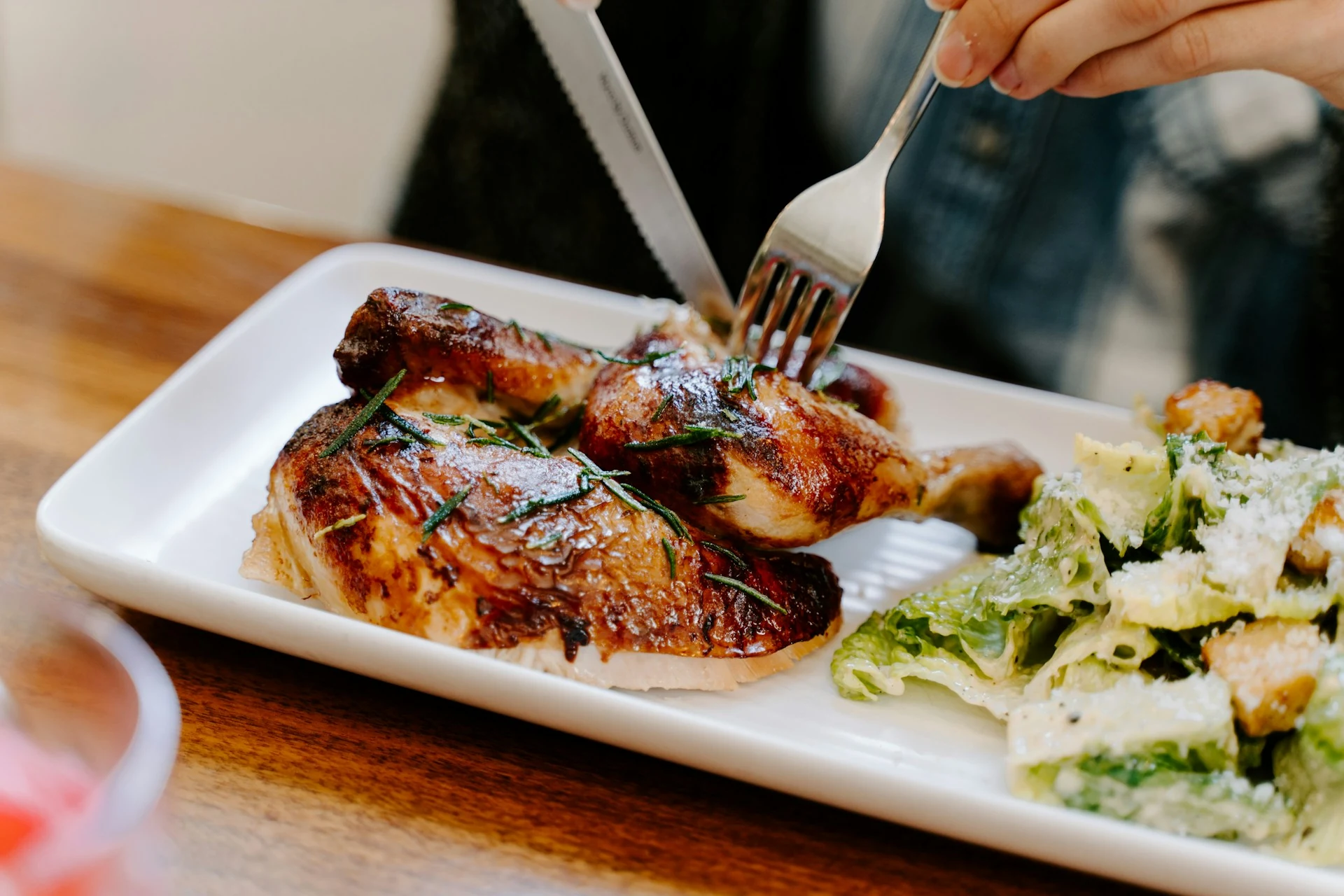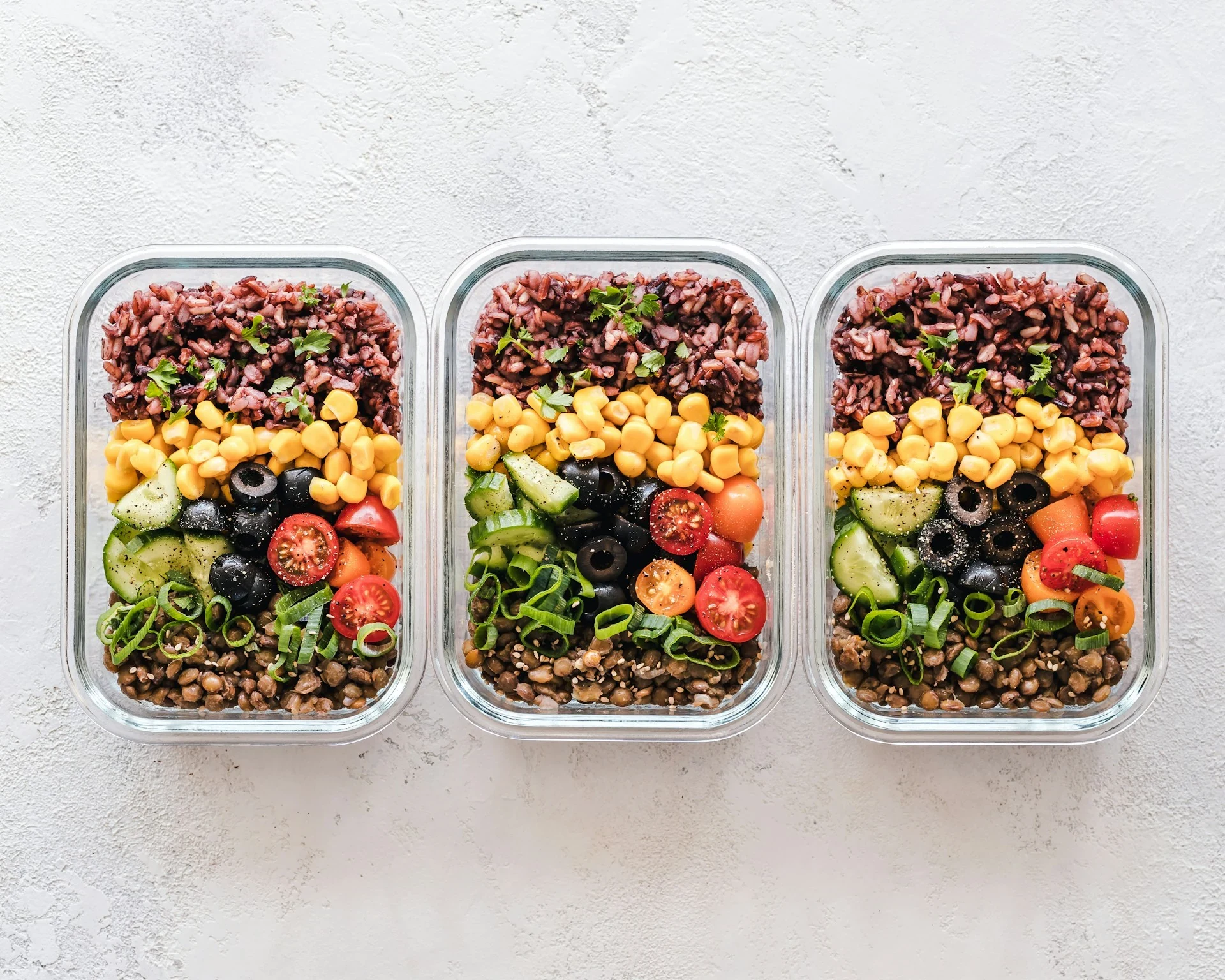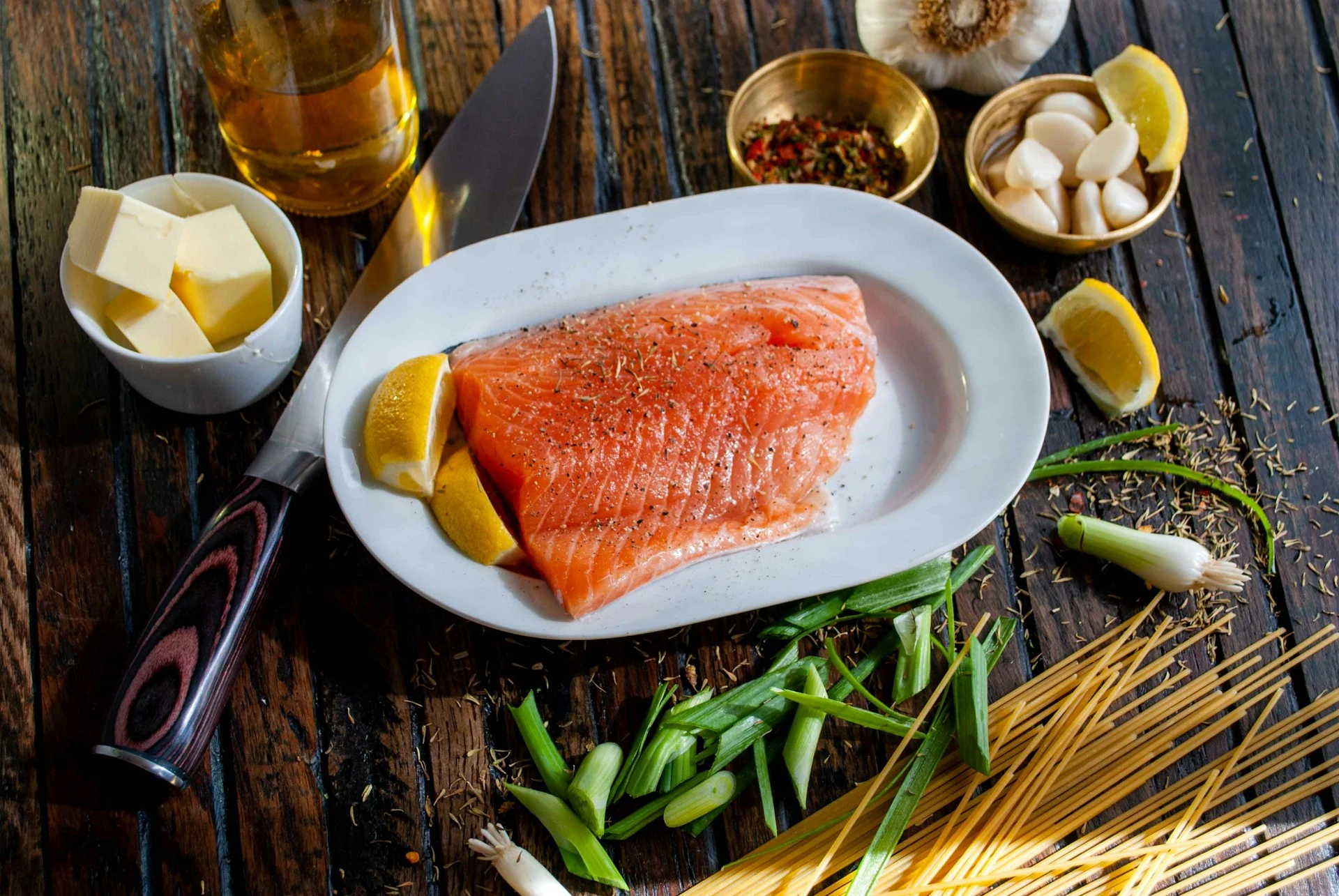
A shopping list needs a product form and a unit. “Ten pounds of chicken” is incomplete if one person means raw and another means ready to serve.
The calculation, in plain sight.
- Ready-to-serve amount = diners × editable grams per diner × extra-food factor.
- Purchase amount = ready-to-serve amount ÷ usable-yield fraction.
- Packages = purchase amount ÷ package size, rounded up.
- Purchase cost = whole packages × your entered price per package.
Ten diners × 100 g = 1,000 g ready to serve. If your verified product yield is 80%, you need 1,250 g as purchased. With 500 g packages, buy three. At $6 per package, that purchase costs $18.
Why our defaults use prepared ingredients.
The first planner uses ready-to-serve product weights at a 100% usable yield. That describes its starting calculation, not a promise about a supplier’s product. Check package net or drained weights. Enter your verified usable yield when trimming, draining or preparation changes it.
The current planner does not model dry foods that gain water, such as dry rice becoming cooked rice. Use prepared-product weights or a verified production recipe and purchase calculation for those ingredients.
What the result does not establish.
The defaults are editable planning assumptions. They have not been prescribed for an individual athlete or tested as a production recipe. Package prices are blank until you enter them. The allowance adds food weight; it does not add people or assume every diner eats the same amount.
USDA explains purchased and edible portions, yields and their dependence on preparation conditions. Its Food Buying Guide serves child nutrition programs. USDA · Food Buying Guide methods ↗
Read the supplier line before using the calculator.
Write the product name, preparation state, pack size and unit together. “Cooked chicken, chilled, five-pound pack” tells the kitchen much more than “chicken.” Confirm whether the stated weight includes liquid, glaze, bones or packaging. Use the supplier specification and your verified production information to choose the usable-yield input.
Swipe the table to see every column →
| Check | Why it matters | What to record |
|---|---|---|
| Product form | Raw and ready-to-serve foods do not represent the same usable amount. | Exact supplier description |
| Net or drained weight | Packing liquid can change the amount available to serve. | Weight basis used |
| Usable yield | Trimming, draining and cooking can alter the usable quantity. | Verified percentage and its source |
| Package size | Purchases happen in the supplier’s units. | Weight per pack and packs per case |
| Price basis | A case price and a pack price are not interchangeable. | Price, unit and date checked |
See what rounding does to the budget.
Continue the example above: buying three 500 g packages supplies 1,500 g as purchased, even though the calculation called for 1,250 g. The unused 250 g is a purchasing consequence, not an additional diner. If every ingredient needs a partial extra pack, the total purchase cost can be noticeably higher than a calculation based only on the amount served.
Compare two suppliers only after converting their offers to the same product state and unit. A lower price per pound can be misleading if the product forms or usable yields differ. Add delivery fees and order minimums to the comparison outside the ingredient calculator.
Keep a small assumptions log.
For every edited yield, note where it came from, who checked it and which product it applies to. A number measured for one cut or preparation method should not silently carry over to another. If the yield is unknown, flag it for the kitchen instead of entering a plausible-looking number.
Dry-to-cooked expansion is a separate case. The current planner accepts usable yields up to 100%; it cannot turn a dry-rice purchase into a cooked-rice target. Use a verified recipe or the appropriate buying-guide entry for that conversion, then keep the original and final weight units visible.
Know the four costs that can hide outside a meal price.
- Production labor and any minimum staffing requirement.
- Delivery, packaging, disposable serviceware and rentals.
- Sales taxes or service charges that apply to the quote.
- Unused packages, minimum orders and approved contingency purchases.
Ask the provider to identify which are included. A partially priced worksheet should remain labeled partial until every active ingredient is priced. Treat the final number as an ingredient purchase estimate unless the other costs have been added separately.