Start with people, then portions, then purchases. Keep those three numbers separate throughout the order.
1. Build the count in the open.
Count players, coaches and anyone else who will eat. Record who confirms the final number and when it becomes final. An alternative meal replaces a standard meal unless you deliberately say otherwise.
If four need an alternative, plan 50 standard meals and four alternatives. The total stays 54.
2. Choose a format your operation can deliver.
Write down preparation location, equipment, transport, holding arrangements and the service window before choosing the menu. Confirm the actual batch size with the kitchen. Ingredient arithmetic cannot tell you how many ovens, people or hours the job requires.
3. Turn the menu into a purchase list.
Ready-to-serve weight and purchased weight may differ. Yield methods help account for preparation losses and product form. USDA’s Food Buying Guide explains these distinctions for child nutrition programs; use its methods in the appropriate setting, without treating program portions as athlete prescriptions. USDA · Food Buying Guide methods ↗
4. Assign the handoff.
Write down who dispatches the meal, who receives it, and who owns changes to the arrival time. The foodservice lead should confirm handling against approved procedures and the applicable local requirements. FDA · Food Code ↗
Leave with something usable.
The planner carries your count into ingredient quantities, package rounding, a budget and a service packet. Review its editable assumptions with the person preparing the food.
Build the dinner backward from the first plate.
A 6:30 p.m. dinner time is not a production schedule. Work backward with the kitchen: when does the food need to be ready, when will it leave, when can it enter the venue, and when will the serving area be staffed? Put a contact beside each step. Confirm access before committing to a delivery slot; a locked loading door can undo an otherwise careful plan.
Swipe the table to see every column →
| Checkpoint | Decision to record | Owner |
|---|---|---|
| Before the order closes | Confirmed diners, replacement meals and the rule for late additions | Team organizer |
| Before production | Menu, verified batch quantities, equipment and staffing | Kitchen lead |
| Before dispatch | Receiving location, contact, transport and service arrangement | Dispatch + receiving leads |
| At service | Actual attendance, replenishment and approved handling decisions | Service lead |
| After the meal | What ran short, what remained and what should change | Organizer + kitchen |
Match the format to the friction.
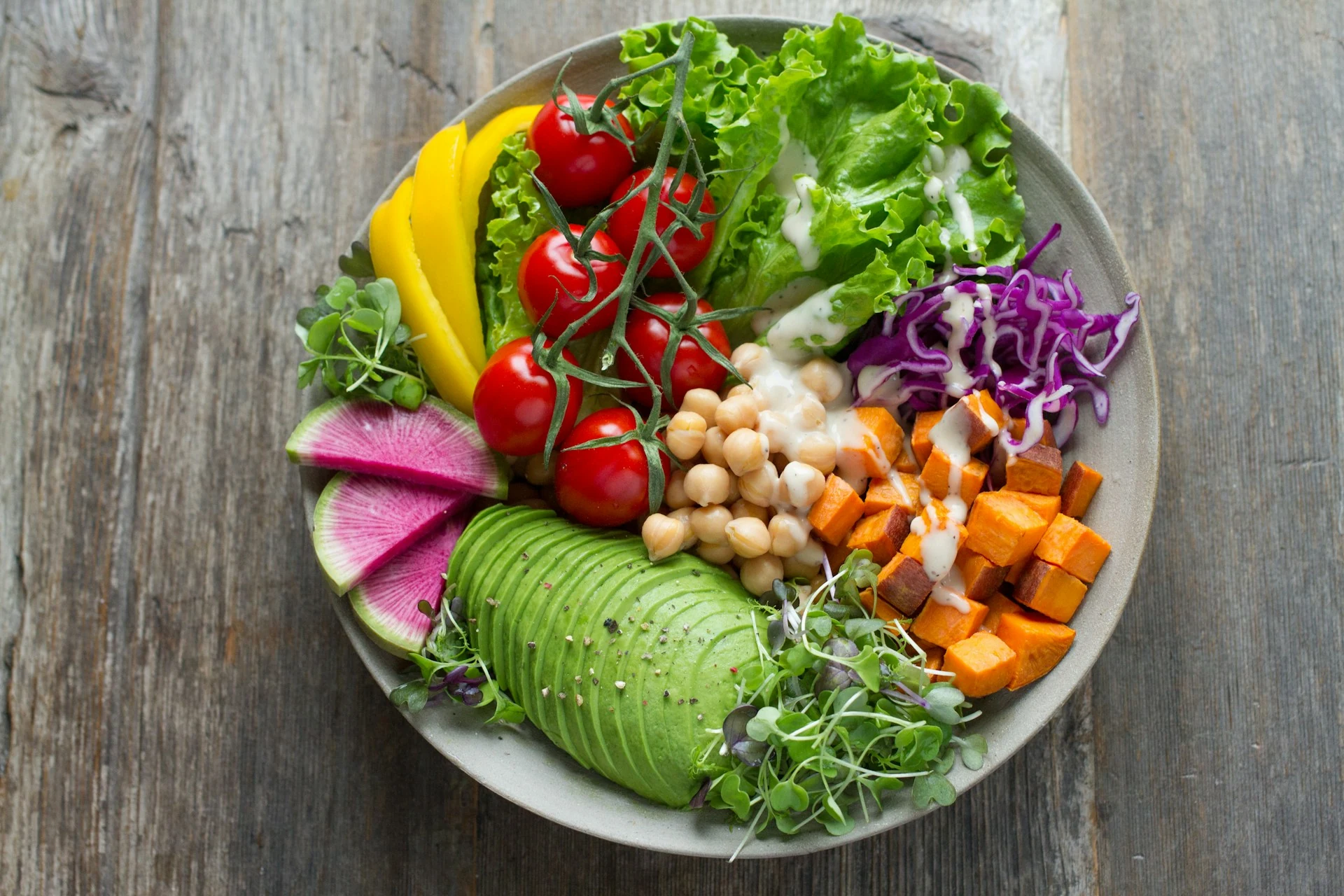
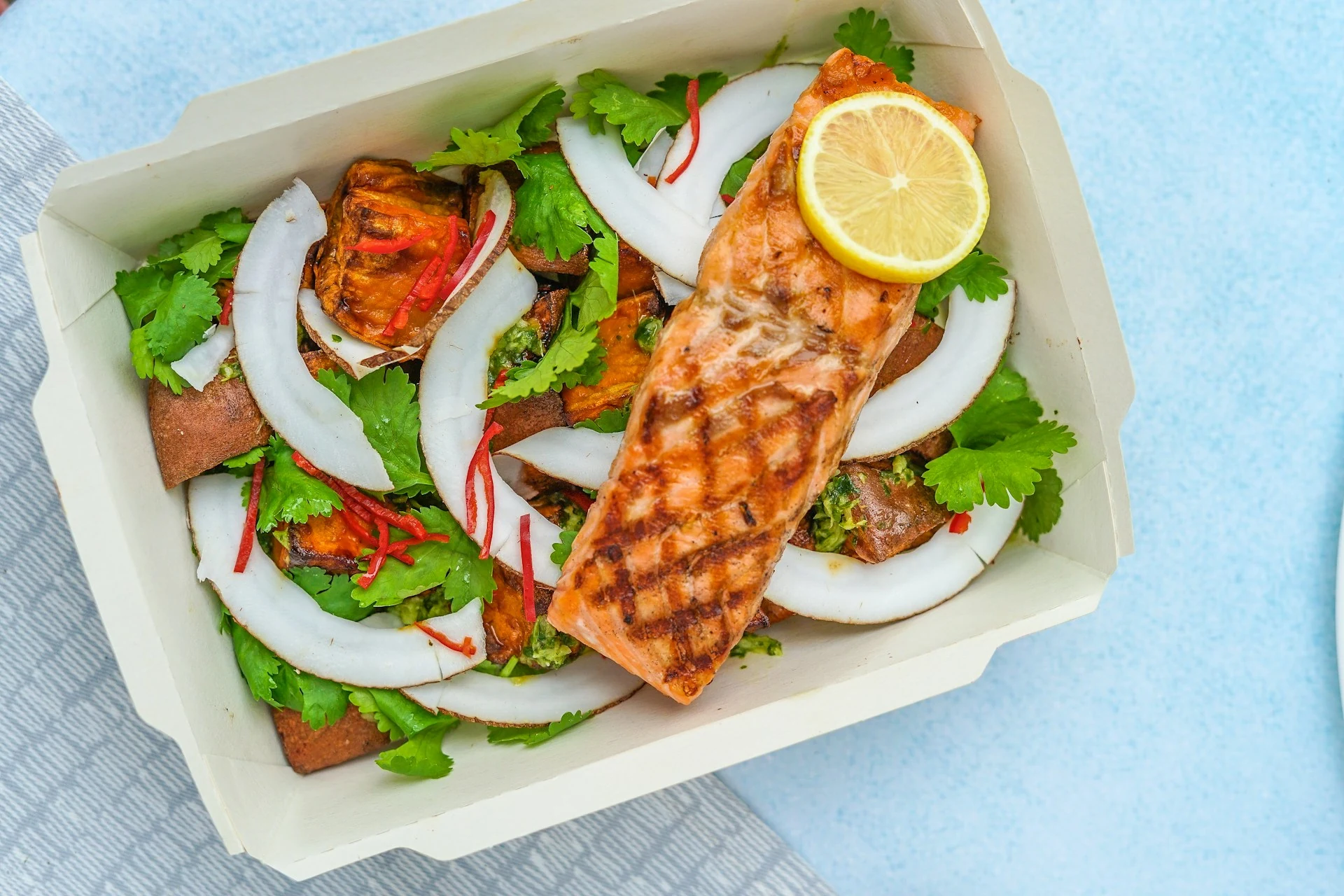
A bowl bar offers choice, but each component needs a place, a utensil and a replenishment plan. A packaged meal simplifies handoff, but requires packaging, identification and confirmation that each box contains the intended items. A buffet can suit a shared eating window; staggered arrivals may call for a different service arrangement. Discuss these tradeoffs with the people doing the work rather than selecting from photographs alone.
Use the first service to improve the second.
Record expected and actual diners separately. Ask the kitchen to note which item emptied first, whether extra portions were requested and which component remained. Record quantities in a consistent unit. “Lots left” cannot explain whether the next order should change. Keep these observations about the service, not about named athletes or their bodies.
“The final count is 54, including four replacements. Service begins at 6:30 at the west dining room. The receiving lead confirms arrival with the kitchen. Any timing change goes to both leads before the service plan is changed.”
Resolve the common counting traps.
Guests, coaches and support staff are easy to miss. So are athletes collecting food for an absent teammate. Decide whether those meals are inside the count and how pickup is recorded. An extra-food allowance changes ingredient quantities; it does not replace a clear attendance list or a kitchen decision about backup meals.