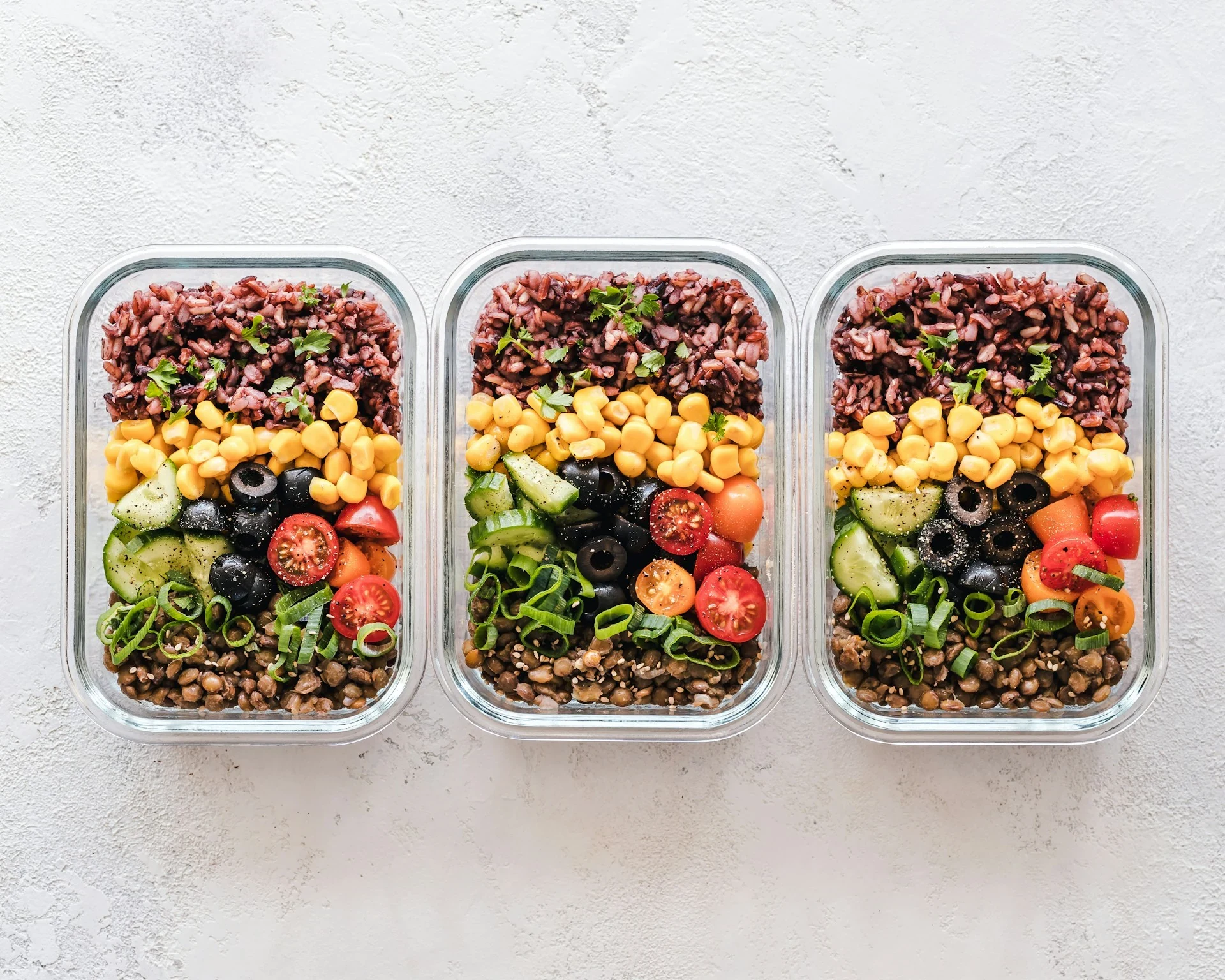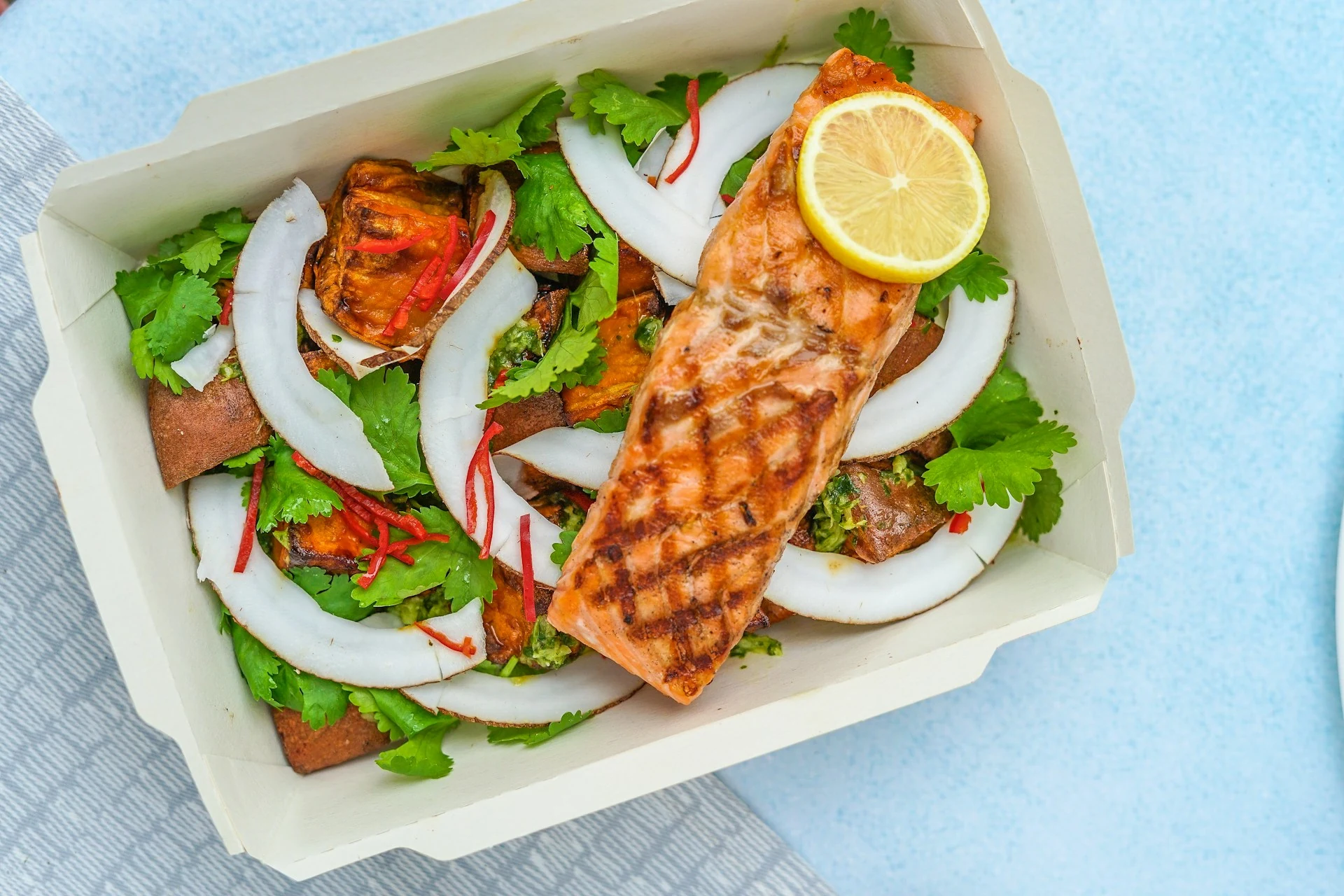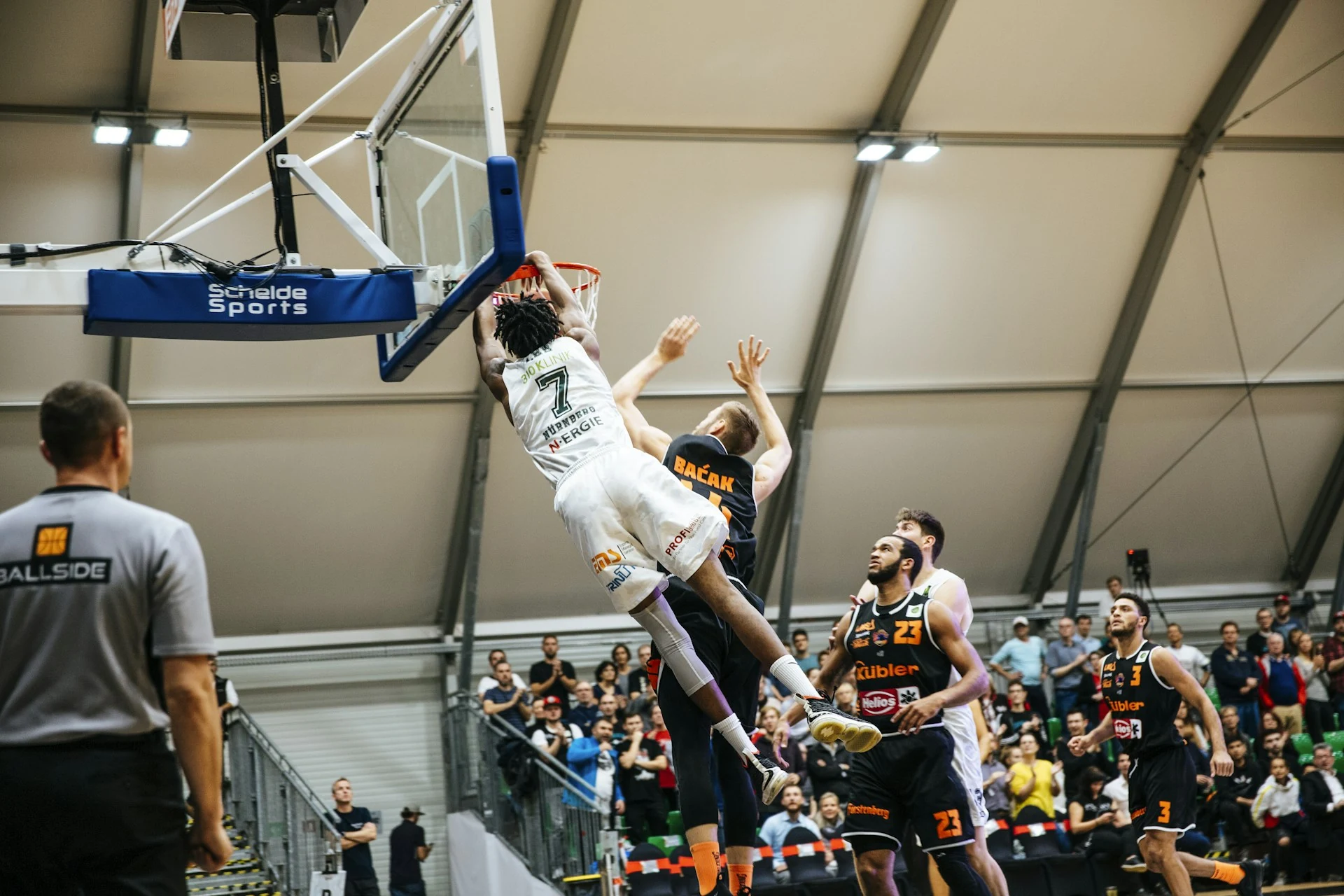
Tournament days contain several different problems: an early start, uncertain breaks, queues, limited storage and a journey home that may move by hours.
Mark what is known and what can change.
Write down departure, the first game, the earliest possible next game and the latest plausible return. Label uncertain windows. Confirm whether food and coolers can enter the venue and where you can refill water. Read the actual event rules before packing equipment that cannot come inside.
Plan access for four moments.
Swipe the table to see every column →
| Moment | Practical question | Decision to make |
|---|---|---|
| Before departure | Where will the athlete eat before leaving? | Familiar breakfast and preparation owner |
| Between games | How much time is actually available to eat? | Accessible food and a place to sit |
| When the schedule changes | Who receives the revised game time? | Person updating the food plan |
| After the final game | What remains open on the route home? | Planned meal access and a checked fallback |
The American Academy of Pediatrics discusses practical food planning for busy young athletes and families. Use age-appropriate guidance and the athlete’s familiar routine; this schedule worksheet is not a universal pregame timing prescription. American Academy of Pediatrics · Sports nutrition for busy families ↗
Pack for access and comfort.
Choose food the athlete has eaten comfortably in comparable situations. Pack containers and utensils that work at the venue. Separate items that can remain shelf-stable according to their instructions from foods needing cold storage. USDA recommends at least two cold sources for packed perishable lunches. USDA FSIS · Keeping a bag lunch safe ↗
Decide how the family or team will coordinate.
If one adult supplies food for several athletes, confirm the count and each required accommodation through the appropriate process. State whether the plan is a shared team meal or individual packed food. Decide who can authorize a replacement purchase and who will notify families if the expected meal is unavailable.
A group chat should carry the current plan and the change, not a stream of unconfirmed possibilities. Send a short update: next confirmed game time, next food opportunity, who is handling it and when another update will follow.
Protect the return plan.
Winning, delays or a changed bracket can extend the day; an early exit can move the trip home forward. Check both cases. Do not depend on a venue concession being open at the end of the event without verifying its hours. If the group has a provider, carry timing changes into the kitchen and receiving plan.
Review one thing after the event.
Ask which food opportunity was hardest to use and what would have made it easier. Save useful venue notes: cooler rules, water access, dining locations and realistic travel time. Keep individual nutrition or medical questions for qualified support. USOPC resources provide broader training-day nutrition education. U.S. Olympic & Paralympic Committee · Nutrition ↗