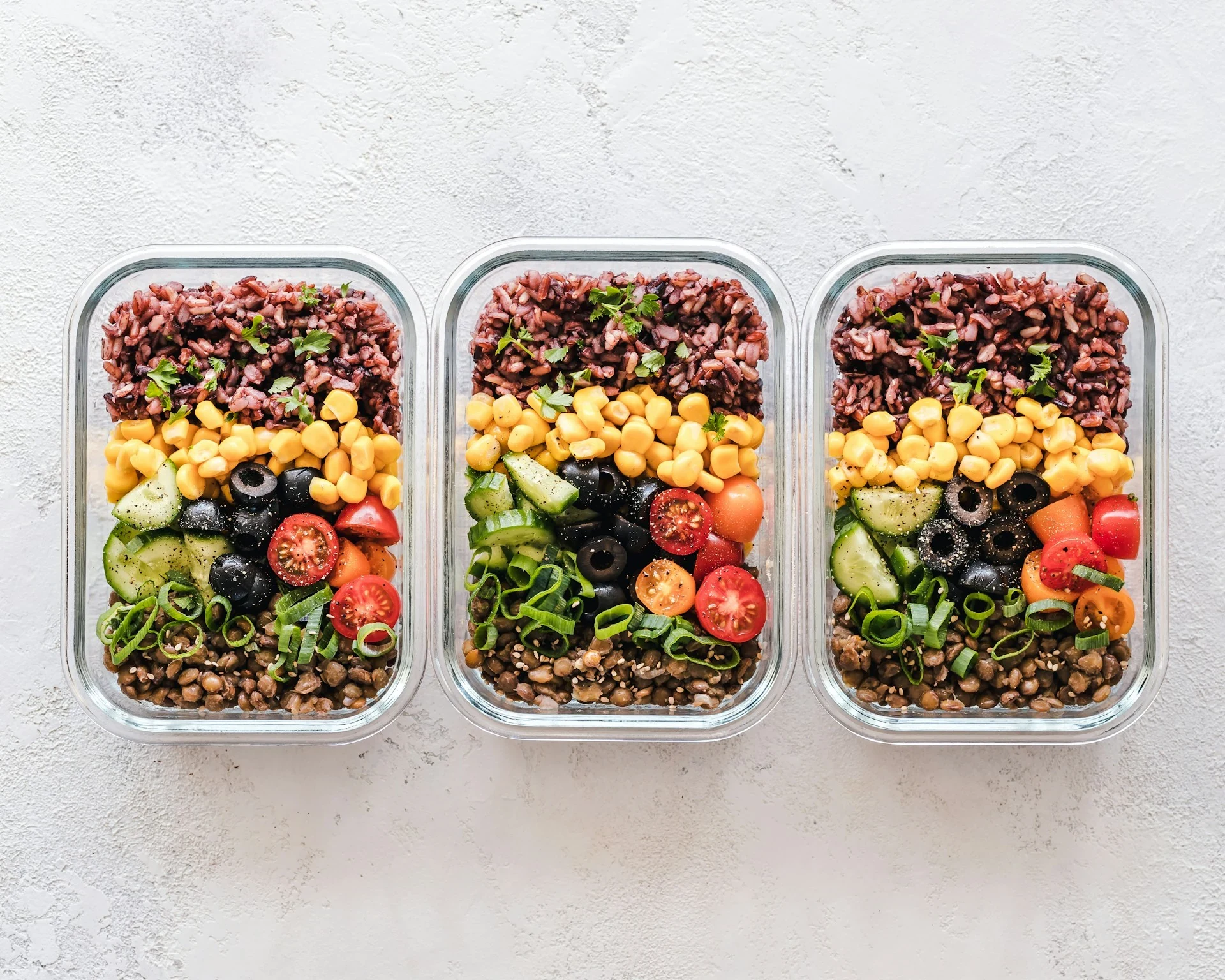
The useful question is not only “What should I pack?” It is “When can I eat it, and how will it stay appropriate to eat until then?”
Map the time away from home.
Write down departure, class or work, training, transit and the next reliable meal. Identify the places where you can sit, open a container, fill a bottle or use refrigeration. A bag of food helps only if you have an opportunity to eat it.
Choose a packing lane.
Swipe the table to see every column →
| What is available | Food ideas to consider | What to check |
|---|---|---|
| No refrigeration | Whole fruit, crackers, dried fruit, or suitable unopened shelf-stable products | Product storage instructions and your dietary requirements |
| A reliable cold plan | Yogurt, a prepared sandwich or another familiar chilled meal | Insulated storage, cold sources and the time away |
| Hot food in an appropriate container | A familiar hot meal suited to that container | Container instructions and safe handling |
| Food at the destination | A planned dining-room or vendor option | Opening hours, payment, access and a fallback |
ASPDA’s on-the-go handout offers portable-food ideas. Its examples are not interchangeable meals, and sponsored product mentions should not be read as an endorsement from this website. ASPDA library · Fueling On-the-Go ↗
Pack the storage before the food.
USDA FSIS advises at least two cold sources for packed perishable lunches, positioned above and below the food. Freeze appropriate cold sources ahead of time and use suitable insulated storage. Follow the full guidance and the selected foods’ instructions. A bag sitting in a hot vehicle is not refrigeration. USDA FSIS · Keeping a bag lunch safe ↗
Make a small packing station.
Keep clean containers, a spoon or fork, napkins and nonperishable items together. In the morning, add the items that must stay refrigerated until departure. Put the bag where you will see it when leaving. If someone else helps pack, agree who checks that the chilled items made it into the bag.
Plan snacks around the gap they fill.
The ASPDA-hosted snacking handout discusses the athlete’s academic, sport and sleep schedule. Start with the gap in your own day and choose familiar foods you can access. The right type and amount need personal context; a generic snack list cannot determine your whole day’s intake. SCAN/CPSDA · Healthy Snacking ↗
After an ordinary training day, note what was easy to carry, what was difficult to eat, and which food opportunity disappeared. Adjust the next day’s access plan. Avoid treating uneaten food as a moral failure or automatically responding by restricting later meals.
Use a fallback you have actually checked.
Record one accessible option if a class runs late, practice moves or your packed meal is unavailable. Check opening hours and payment requirements. For a team, use the agreed group plan rather than expecting every athlete to find food independently at a new venue.