Start with the morning you actually have: departure time, appetite, food access and somewhere to store what you carry.
Three options to work through.
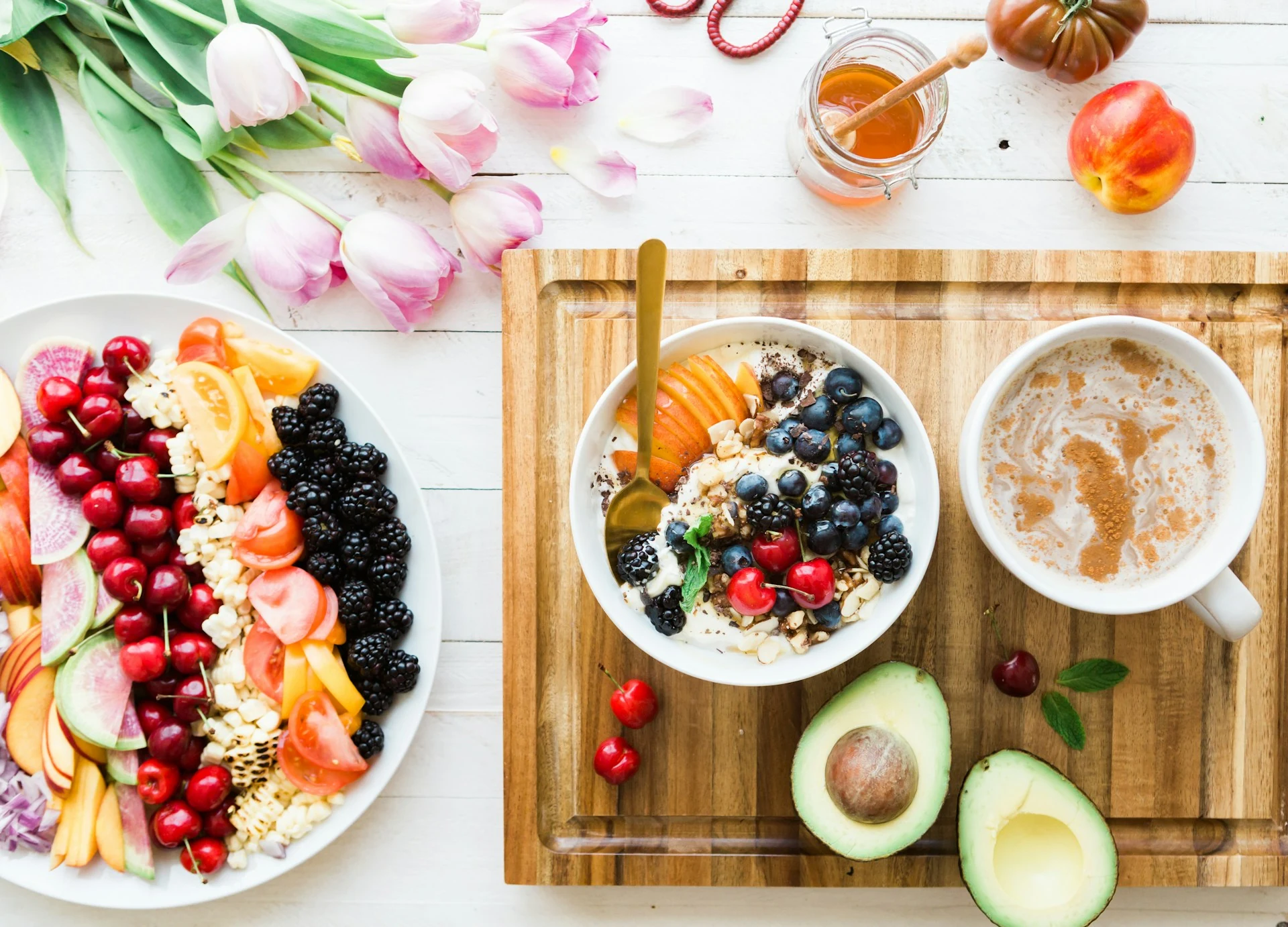
Yogurt, cereal & fruit
Check the products, portion needs and refrigeration from home to eating time. Pack a spoon.
Toast, eggs & fruit
Consider whether there is time and equipment to prepare and eat it at home. Check handling if it will travel.
A familiar sandwich & fruit
Choose ingredients the athlete tolerates and can carry with appropriate storage. Check the next opportunity to eat.
Make five decisions tonight.
- When do I leave?
- What food have I chosen?
- What can I appropriately prepare ahead?
- How will it be stored and carried?
- When will I next have access to food?
These are meal ideas to adapt, not complete or equivalent nutrition prescriptions. The American Academy of Pediatrics provides sports nutrition guidance for busy families. Training schedules and individual needs should inform food planning. American Academy of Pediatrics · Sports nutrition for busy families ↗
Bring the schedule to the conversation.
If eating around practice is consistently difficult, take the actual weekly schedule to a qualified sports dietitian or the athlete’s care team. NCAA resources connect nutrition with the wider athlete routine. NCAA · Nutrition, hydration & sleep ↗
Choose the version that fits your morning.
Swipe the table to see every column →
| Your situation | A practical starting point | Resolve tonight |
|---|---|---|
| Eating at home | Toast or a bagel, an egg or yogurt, and fruit as appropriate | What is already available and how much preparation fits? |
| Taking food with you | A familiar sandwich, fruit and another chosen item | Where can you eat, and how will perishables stay cold? |
| Very little time before departure | A familiar ready-to-eat option, with a later food opportunity planned | What can you comfortably eat, and when is the next meal? |
| Breakfast after an early session | Arrange access before practice begins | Will the dining room be open, or does food need to be packed? |
These are starting combinations, not equivalent meals or fixed targets. The amount and timing should fit the athlete and session. Avoid making an important competition the first trial of a new food or routine.
Separate the night-before list from the morning list.
Tonight, select the food, check what is on hand, put any nonperishable items together and prepare the storage equipment. Set out the spoon, napkin and bottle you will need. In the morning, add the refrigerated items, check that the food is actually in the bag, and confirm where it will be eaten. A breakfast left on the counter is an access problem even if the menu looked excellent.
For packed perishable meals, USDA FSIS recommends at least two cold sources, placed above and below the food. An insulated container is used for hot foods. Read its full guidance and the selected product’s storage instructions. USDA FSIS · Keeping a bag lunch safe ↗
Use a two-morning experiment.
Try the same manageable breakfast routine on two ordinary training mornings. Afterward, note what was easy to prepare, what travelled well, what was left uneaten and whether the next food opportunity was available. This is a logistics review, not a calorie score or a test of discipline.
If the practical problem is a closed cafeteria, changing the menu alone will not solve it. If the problem is recurring nausea, pain, dizziness or difficulty meeting food needs, bring it to qualified health or sports nutrition support. Do not keep solving a persistent health problem by removing more foods.
For families: agree on one job each.
Let the athlete choose from familiar available options; agree who buys ingredients, who prepares food and who packs it. Younger athletes may need more help. Use a short visible checklist at home, then review it when school and practice times change. The goal is a repeatable morning that supports eating, not a perfect-looking breakfast.