A useful athlete meal is one you can assemble, enjoy and adapt. Start with the parts of the meal and the realities of your day.
Know what a plate guide can do.
The USOPC provides easy-, moderate- and hard-day Athlete Plates. These educational resources connect food choices to training demand; they do not make one photographed plate the right amount for everyone. Use the original handouts and discuss your own needs with a sports dietitian. U.S. Olympic & Paralympic Committee · Nutrition ↗
Build from familiar components.
Swipe the table to see every column →
| Component | Examples to work with | Practical decision |
|---|---|---|
| Carbohydrate foods | Rice, pasta, potatoes, bread or oats | Which fits the meal and equipment available? |
| Protein foods | Chicken, fish, eggs, tofu or beans | What do you eat and how will it be prepared? |
| Fruit and vegetables | Fresh, frozen or appropriately prepared produce | What is available, enjoyable and manageable? |
| Flavor and fats | Sauce, olive oil, avocado, seeds or other chosen additions | What makes the meal appealing and meets your requirements? |
| Fluids | A drink appropriate to your plan | Where can you fill or obtain it? |
The SCAN/CPSDA performance-plate handout, hosted by ASPDA, describes food groups and training contexts. Foods can contribute more than one nutrient; the columns above are a way to organize a meal, not a complete nutrient analysis. SCAN/CPSDA · Building a Performance Plate ↗
Try three meal structures.
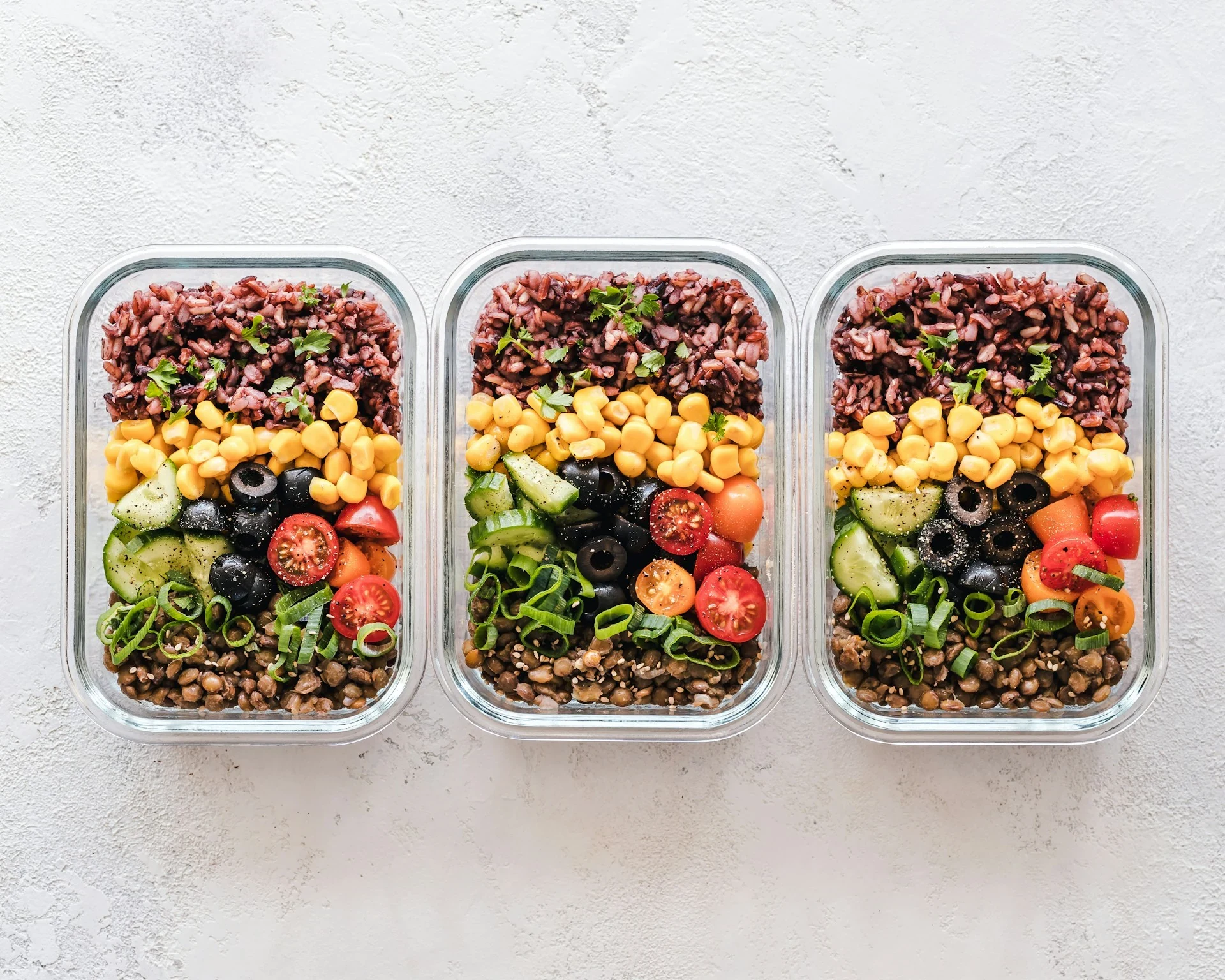
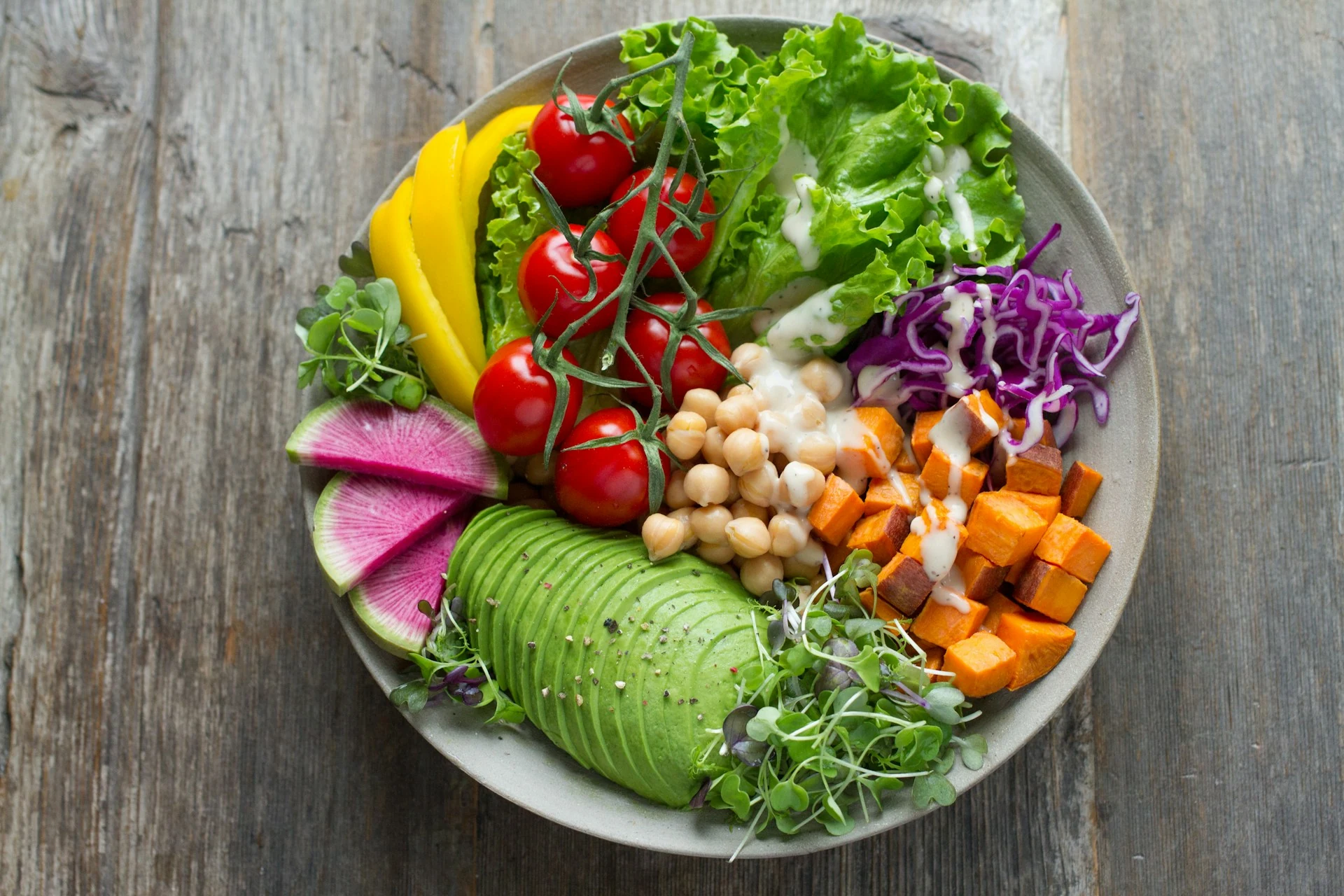
A bowl
Rice or another chosen grain, chicken or beans, vegetables and a sauce you enjoy. Keep components separate when feeding a group.
A pasta meal
Pasta, a selected sauce, a protein option and vegetables. Review the actual ingredients and any dietary requirements.
A breakfast plate
Toast or oats, eggs or yogurt, fruit and a drink. Match preparation and storage to the morning you have.
Adapt the logistics before abandoning the meal.
If the kitchen is limited, choose ingredients that can be prepared with the equipment you have. If the meal travels, decide how it will be stored and when you can eat. If several people share it, put toppings and components where diners can assemble their meal while following the required service procedures.
Write down what is missing: an ingredient, access to refrigeration, enough preparation time or an opportunity to eat. A specific gap is easier to solve than deciding that the entire routine has failed.
Use the image for inspiration, not a prescription.
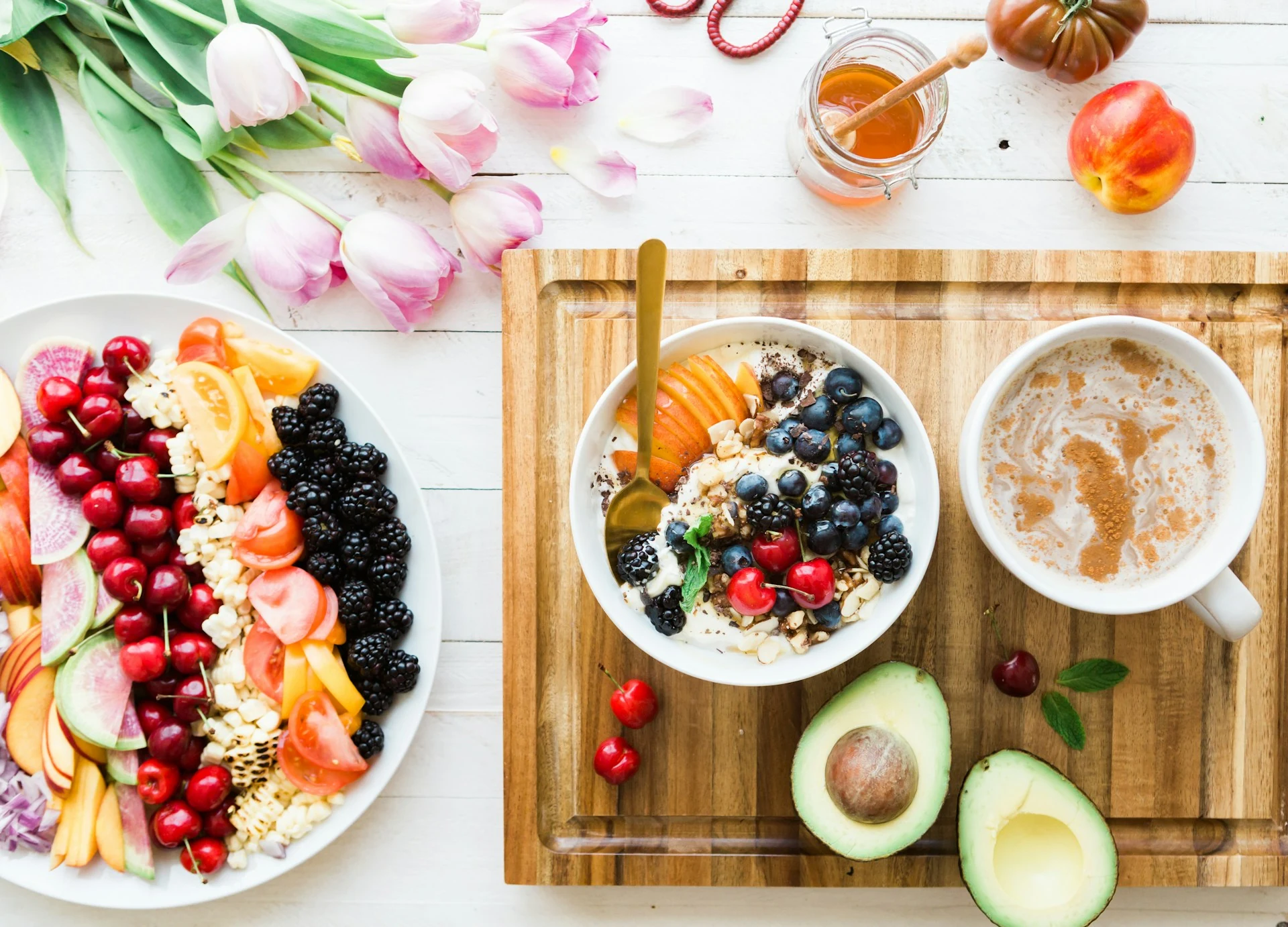
The food photographs on this site show real food photographed by credited photographers. They are not documented production recipes, lab-analyzed meals or serving recommendations. The planner’s quantities are editable purchasing assumptions. Do not infer calories, protein grams or adequacy from the size of a bowl on a screen.
Make one decision for tomorrow.
Choose a format, check the ingredients you already have, and identify the next preparation or shopping step. If your question is about how much you need, recurring fatigue, food restrictions or a medical condition, bring the question and your schedule to qualified support.